Periods can affect energy, mood, and focus. Discomfort is common, and daily routines may feel harder to manage. Understanding how to care for your body during this time helps you feel more balanced and supported.
This guide explains simple self care tips for periods in plain English. The focus is comfort, gentle relief, and realistic habits that work in everyday life.
1. Why your body needs extra care during your period
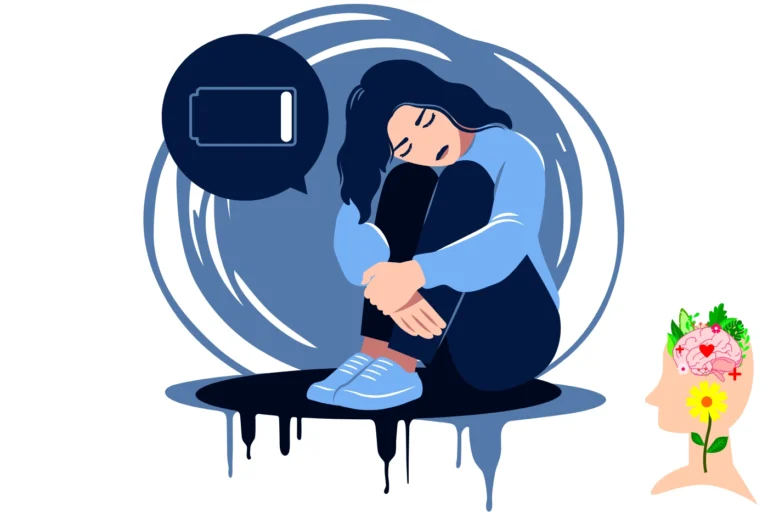
During your period, hormone levels shift. This can affect energy, digestion, sleep, and emotions.
Common changes include:
- lower energy
- muscle tension or cramps
- increased sensitivity
- stronger emotional responses
Responding with care instead of pressure helps reduce discomfort.
2. Slowing down supports balance
Your body is doing extra work. Rest is not laziness during this phase.
Helpful ways to slow down:
- shorter to-do lists
- more breaks during the day
- less physical strain
- earlier evenings
Reducing demands helps your body recover more easily.
3. How warmth helps relieve discomfort
Heat relaxes muscles and increases blood flow. This can ease cramps and lower back tension.
Simple options include:
- heating pads
- warm showers
- hot water bottles
- warm clothing
Warmth is one of the easiest forms of period comfort.
4. Gentle movement can reduce tension
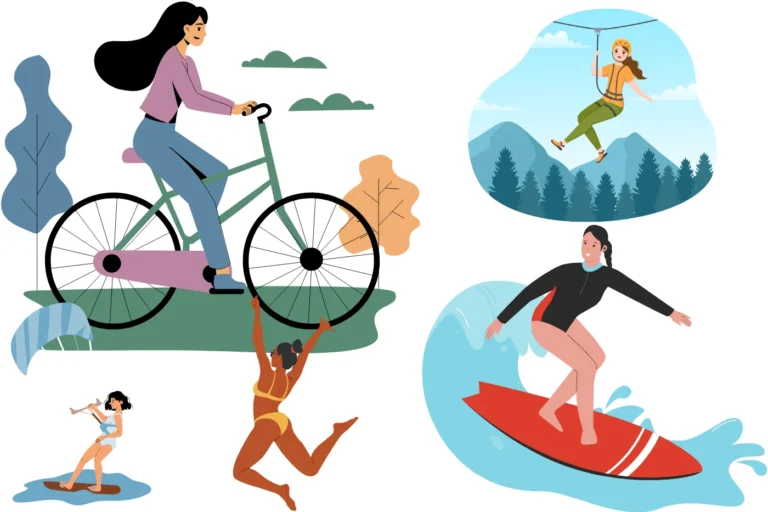
Intense workouts are not always helpful during your period. Light movement supports circulation without adding stress.
Gentle options include:
- slow stretching
- short walks
- light yoga
- breathing exercises
If movement feels draining, rest instead.
5. Staying hydrated helps with bloating and fatigue
Dehydration can worsen bloating and headaches. Drinking enough fluids supports circulation and digestion.
Helpful choices:
- water throughout the day
- herbal teas
- warm drinks instead of cold ones
Consistency matters more than quantity.
6. Choosing foods that feel grounding
During your period, your body often prefers simple, nourishing foods.
Supportive options include:
- soups and stews
- oatmeal or rice
- vegetables and fruit
- easy-to-digest meals
Skipping meals can increase fatigue and irritability.
7. Supporting emotional wellbeing
Hormonal changes can affect mood. Emotional shifts are common and valid.
Supportive habits include:
- lowering expectations
- taking quiet breaks
- avoiding self criticism
- allowing rest without guilt
Awareness helps reduce emotional pressure.
8. Sleep plays a key role in recovery
Quality rest supports hormone balance and pain tolerance. Sleep needs may increase during your period.
To improve rest:
- keep evenings calm
- limit screens before bed
- use comfortable sleep positions
- prioritize consistent bedtimes
Better sleep supports overall relief.
9. Small comfort habits that add up
Small adjustments can make a noticeable difference over time.
Examples include:
- wearing loose clothing
- creating a cozy environment
- planning lighter days
- staying aware of body signals
Gentle consistency matters more than doing everything perfectly.
10. Self care during periods is about response not control
You cannot control every symptom, but you can respond with patience and care.
Self care during periods means:
- listening instead of pushing
- resting when needed
- choosing comfort over productivity
These choices support balance over time.
A more supportive way to move through your period
Periods are a natural part of your cycle, not something to power through. When you adjust your pace and care for your body with intention, discomfort often becomes more manageable. Small, thoughtful habits create relief without adding pressure.
Next step: Choose one comfort habit to focus on during your next cycle and notice how your body responds. 🌿